
What Is SEO and How It Works? A Complete Guide for Businesses (2026)
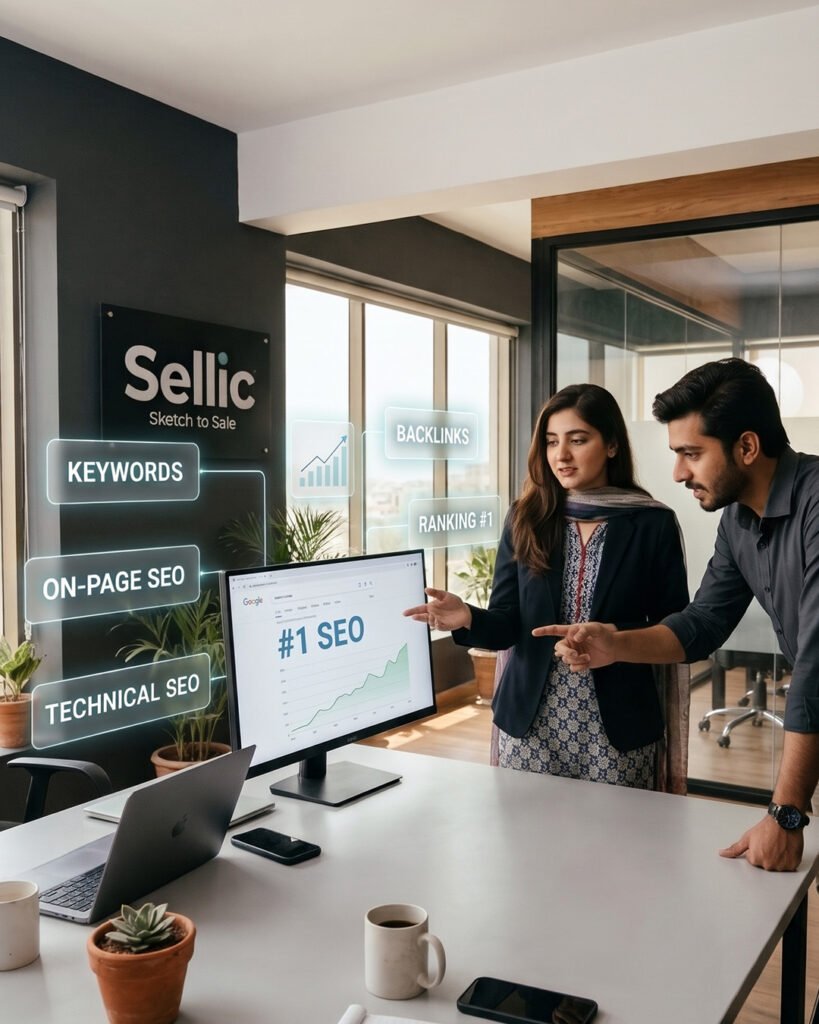
it’s the first question every business owner asks before investing in organic growth. SEO (search engine optimization) is the practice of improving your website so it ranks higher on Google when people search for what you offer. And how it works comes down to three things: Google crawls your pages, indexes them, and ranks them against every competitor fighting for the same keywords.
Unlike paid ads, where traffic stops the day you stop paying, SEO compounds. A page that ranks #1 today can keep bringing customers for years. That’s why businesses serious about long-term growth treat SEO as an asset, not an expense.
This guide explains what is SEO and how it works in plain English: how Google actually ranks websites, the four pillars every strategy needs, how long results take, and when to bring in expert help.
How Google Ranks Websites: Crawling, Indexing, Ranking
Behind every search result is a three-step process:
- Crawling. Google sends bots (often called spiders) to discover pages by following links across the web. If your site is slow, blocked, or badly structured, crawlers may never find your best pages.
- Indexing. Pages Google finds get stored in its index a giant library of the web. Only indexed pages can ever rank.
- Ranking. When someone searches, Google pulls the most relevant indexed pages and orders them using hundreds of ranking signals: relevance, authority, page experience, and more.
SEO is simply the work of making each of these three steps work in your favor.
The 4 Pillars of SEO
1. Technical SEO
The foundation: site speed, mobile-friendliness, clean site architecture, secure HTTPS, and structured data. Without this, nothing else works reliably.
2. On-Page SEO
Optimizing individual pages — titles, headings, content, images, and internal links so Google clearly understands what each page is about and who it serves.
3. Content
Google ranks pages that best answer the searcher’s intent. A strong SEO content strategy means publishing content that matches what your customers actually search for — guides, comparisons, FAQs — not thin pages with keywords stuffed in. Businesses that invest in a real SEO content strategy consistently outrank competitors who publish randomly.
4. Authority
Links and mentions from other reputable sites act as votes of confidence. Building authority takes time, but it’s what separates page 1 from page 5.
Why SEO Matters for Your Business
- High-intent traffic. People on Google are actively looking for a solution they convert far better than casual social scrollers.
- Compounding returns. Paid ads rent attention; SEO builds an asset that keeps delivering long after the work is done.
- Trust. Ranking organically signals credibility in a way ads can’t buy.
How Sellic Approaches SEO
Theory is nice; execution is everything. Here’s how we do it.
As a search engine optimization consultant, we start every engagement with a deep technical audit not a generic checklist, but a page-by-page diagnosis of what’s holding your rankings back. With years of SEO experience across ecommerce and local businesses, we’ve seen the same costly mistakes repeat: slow themes, duplicate content, and pages that don’t match search intent.
Then we build your SEO plan around revenue, not rankings alone. A good SEO plan prioritizes fixes by business impact: technical blockers first, quick-win keywords second, long-term content plays third. Every SEO plan we deliver includes clear timelines, so you always know what’s happening and why.
For online stores, our Shopify SEO services go deeper collection page optimization, product schema, site-speed work on Shopify themes, and content built for commercial intent. Our Shopify SEO services have helped stores turn organic search into a consistent revenue channel, and our SEO content strategy keeps that growth compounding month after month.
Whether you need a search engine optimization consultant for a one-time audit, ongoing Shopify SEO services, or a partner to execute it end-to-end, the principle is the same: SEO rewards businesses that invest in being genuinely useful.
How Long Does SEO Take?
Honest answer: 3–6 months for meaningful movement, 6–12 months for compounding results. In our SEO experience, anyone promising page 1 in 30 days is selling something. SEO is a flywheel — slow to start, hard to stop once it’s spinning.
Conclusion
So, what is SEO and how it works in practice? SEO is the discipline of earning visibility on Google, and it works by aligning your website with how Google crawls, indexes, and ranks pages. Invest in the four pillars, be patient, and organic search becomes your most cost-effective growth channel.
If you want help getting there, talk to a search engine optimization consultant who shows you the data before asking for your money. That’s how we work at Sellic.
FAQs
What is SEO in simple words?
SEO (search engine optimization) means improving your website so it appears higher on Google when people search for products or services like yours.
How does SEO work step by step?
Google crawls your site, indexes your pages, and ranks them. SEO improves each step: technical health for crawling, clear content for indexing, and relevance plus authority for ranking.
How long does SEO take to show results?
Typically 3–6 months for initial movement and 6–12 months for strong, compounding results depending on competition and your starting point.
Is SEO better than paid ads?
They do different jobs. Paid ads buy immediate traffic; SEO builds a long-term asset. Most growing businesses use both.
Do I need a consultant for SEO?
If organic search matters to your revenue, hiring an experienced SEO consultant pays for itself by avoiding expensive mistakes and prioritizing what actually moves rankings.